Deuteronomy

Resurrection for All

Resurrection for All

Easter Sunday
April 5, 2026

1 Corinthians 15:12-58, Colossians 1:18, Revelation 1:5

He is the head of the body, the church, who is the beginning, the one who is firstborn from among the dead so that he might occupy the first place in everything.

 ~ Colossians 1:18

_______________

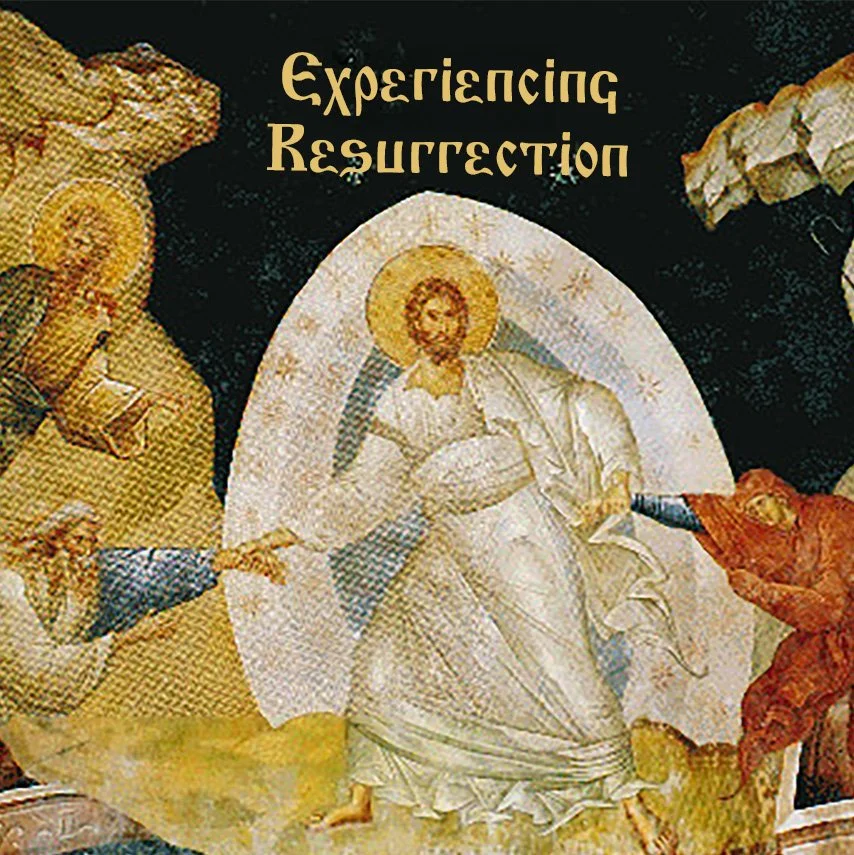
We often think of resurrection as a one-time historical event in the life of Jesus. We believe that through the mystery of his death and resurrection we will somehow be welcomed into eternal life. But this individual hope is much smaller than the hope the earliest followers of Jesus carried.

For many first-century Jews who believed in resurrection, it was never imagined as an individual event. Resurrection was communal. It was the hope that God would one day raise all people and finally bring justice to the world. The question was not simply what would happen to one faithful person after death, but whether God’s justice would ultimately prevail for everyone who had suffered under oppression and injustice.

When the apostle Paul proclaimed that Jesus had been raised, some asked, “How can there be resurrection if the dead have not yet been raised?” Paul responded that Christ is the first fruits of those who have died (1 Corinthians 15).    

In other words, Easter is not the end of the story, it is the beginning. Jesus is the firstborn from the dead, the first sign that God’s promised future has already begun to break into the present.

The resurrection is not simply a reward for Jesus’ faithfulness. It is God’s vindication of his life and his way of love.  Resurrection is God’s “yes” to Jesus and God’s “no” to the powers that executed him. Easter reveals something essential about God: the forces of domination, violence, and fear do not have the final word.

Because of this, resurrection is not only something we believe about the past. It reshapes how we live now.

If Easter is God’s “yes” to the way Jesus lived, then those who follow him must learn to live in that same light, refusing the systems of fear and power that once led to his execution.

Resurrection is not only something that happened to Jesus a long time ago.  As Rev. Dr. Mark Sandlin puts it:

Resurrection is what happens every time love refuses to stay buried, every time hope rises up out of places everyone else has given up on, every time a community comes back together after being torn apart, every time justice gets back on its feet after being knocked down again.

Look at the world. Everywhere there’s pain, there’s also someone showing up with compassion. Everywhere there’s despair, there’s someone planting seeds anyway. That’s resurrection! That’s new life breaking through the cracks.

Resurrection isn’t magic. It’s movement. It’s love getting up again and again…

If you want to experience resurrection, you just have to pay attention to the ways love keeps choosing to rise right in front of you.

 Where do you see signs of resurrection breaking through — in your life, in your community, or in the world — and how might God be inviting you to join in that rising love?

Generation to Generation

Generation to Generation

It’s Complicated: Family as a Means of Grace - Part 5
June 1, 2025
Deuteronomy 6:1-9

Love the Lord your God with all your heart, all your being, and all your strength. These words that I am commanding you today must always be on your minds. Recite them to your children. Talk about them when you are sitting around your house and when you are out and about, when you are lying down and when you are getting up.

Deuteronomy 6:5-7

_______________

At first glance, I’d say I didn’t inherit much from my family when it comes to faith.  We went to church, but never talked about it at home.  Yet, looking back, I realize that without my grandmother’s quiet and steady faith, I probably would not be a Christian at all. 

Like my parents, she rarely spoke about faith out loud.  But she was a devout Catholic, raising five children in the church even though her husband never attended.  She prayed faithfully every day — perhaps more than anyone I’ve ever known.  I didn’t learn about her prayer corner until after our daughter was born.  She sat there daily, praying for every member of her family by name, all the way down to the great grandchildren whose names I don’t even know. 

I’m sad to admit that early in my overzealous Baptist years, I was convinced by the church that Catholics couldn’t be “saved,” and I worried about Gram’s salvation.  She always dreamed of one of her grandsons becoming a priest, and I was her last hope.  I shattered that when, in 6th grade, I convinced my parents to join the Baptist church.

Years later, after I became a pastor and she met my wife, she was deeply grateful.  Not only was her lifelong prayer answered by having a minister in the family, but she also cherished gaining a new granddaughter-in-law and great-granddaughter.  She saw God’s faithfulness in my life even if it didn’t look the way she expected.

Faith doesn’t always get passed down through perfect teaching or clear conversations. Sometimes it comes through presence — through someone showing up, holding space, or quietly living a life centered on God. That kind of faith may not look impressive, but it plants deep roots.

As Moses shaped a new people out of those freed from Egypt, God gave them a commandment that Jeus would later call the greatest: to love the Lord with all your heart, mind, soul and strength.  He said, “Talk about these things when you are sitting around your house and when you are out and about, when you are lying down and when you are getting up.”

My family didn’t exactly do that, at least not out loud.  But in her own way, my grandmother did.  She spoke about it through her prayers, long before I even understood or appreciated what she was doing.  She modeled it every time she took me to the church to light a candle for someone who was sick and every time she went to the nursing home to take communion to someone. 

And most of all, she spoke about it through her unconditional love.  She was deeply hurt when I left the Catholic church.  Yet even when I foolishly tried to convert her to a faith she already understood more deeply than I did, she never stopped loving me.

It’s not always obvious, but God’s love does reach down to us from generation to generation. 

Where can you see it in your family line?