We Are What We Eat
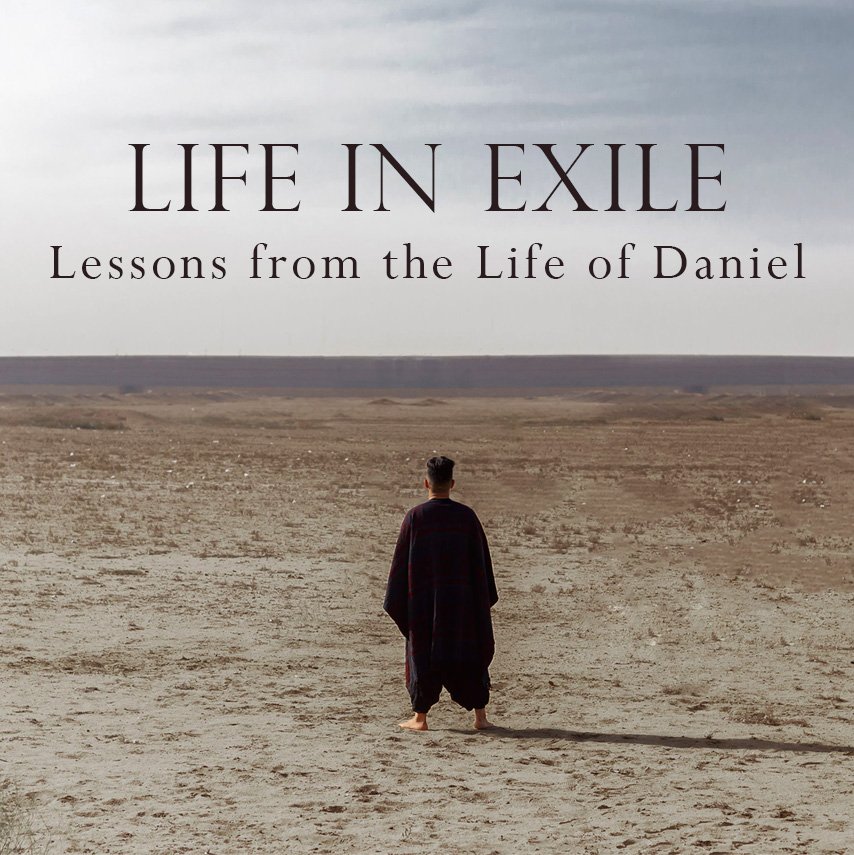
Life in Exile: Part 1
Daniel 1
September 6, 2026
Daniel decided that he wouldn’t pollute himself with the king’s rations or the royal wine, and he appealed to the chief official in hopes that he wouldn’t have to do so…
… At the end of ten days they looked better and healthier than all the young men who were eating the king’s food.
~ Daniel 1:8, 15
_______________
Daniel rested calmly in the lion’s den. His friends stood safely in a fiery furnace. God protected them because they remained faithful to God and refused to worship the idols of Babylon’s king. We know the stories, but we also know that life doesn’t always work out so perfectly, no matter how faithful we are to God.
What if these ancient hero stories are less about a promise that everything will go our way if we have enough faith, and a lot more about what it looks like to remain faithful even when there is no guarantee of a positive outcome at all?
Over the next several weeks, we’ll be walking through the heroic accounts of Daniel and his friends. In many ways Daniel is the new Joseph, a faithful servant of God functioning as an ambassador at the highest levels of power. Joseph in Egypt. Daniel in Babylon. As with Joseph, things don’t always go Daniel’s way. There are plenty of times it seems all is lost. Though things worked out well for them in the end, God never promised they would. Their faithfulness, like Joseph’s, is not about cutting a deal with God to protect them if they obey. It flows out of an authentic love for God and a deep trust that goes beyond the outcomes.
This week we begin with Daniel’s refusal to eat the king’s royal food. We are not told explicitly what the problem with the food is. Some suggest it could be connected to Jewish dietary codes. Others say it is simply that Daniel is acknowledging God, not the king of Babylon, as his source of life-giving sustenance. Daniel has already accepted the Babylonian name and the high position the king gave him to serve as an ambassador between the empire and the exile community. He is following Jeremiah’s prophetic call to be a blessing in the place where they are sent, to work for the flourishing of both Israel and Babylon together (Jeremiah 29). But he draws the line on what he consumes from the king’s table.
Dietary distinctions are not a primary concern for modern day Christians, but there are still significant questions about what we consume and who is the source. Mostly we consume material goods and information, but not all of it comes from a good place. The production of certain products may cause harm to vulnerable populations. The information fed to us from places of wealth and power may poison our minds, our hearts, and our souls.
What are we willing to risk to push the plate away and refuse the steady diet of lies, corruption, abuse, greed, and fear, among so many other toxic items on the royal buffet of our own day?
Weekly Practice: Watch What You’re Fed
This week, pick one thing you consume without thinking, (a feed, a show, a habit, etc.) and ask honestly what it’s actually feeding in you. You don’t have to give it up. Just notice, and choose one meal this week, literal or otherwise, that you take in on purpose instead.