
The Centrality of Bread
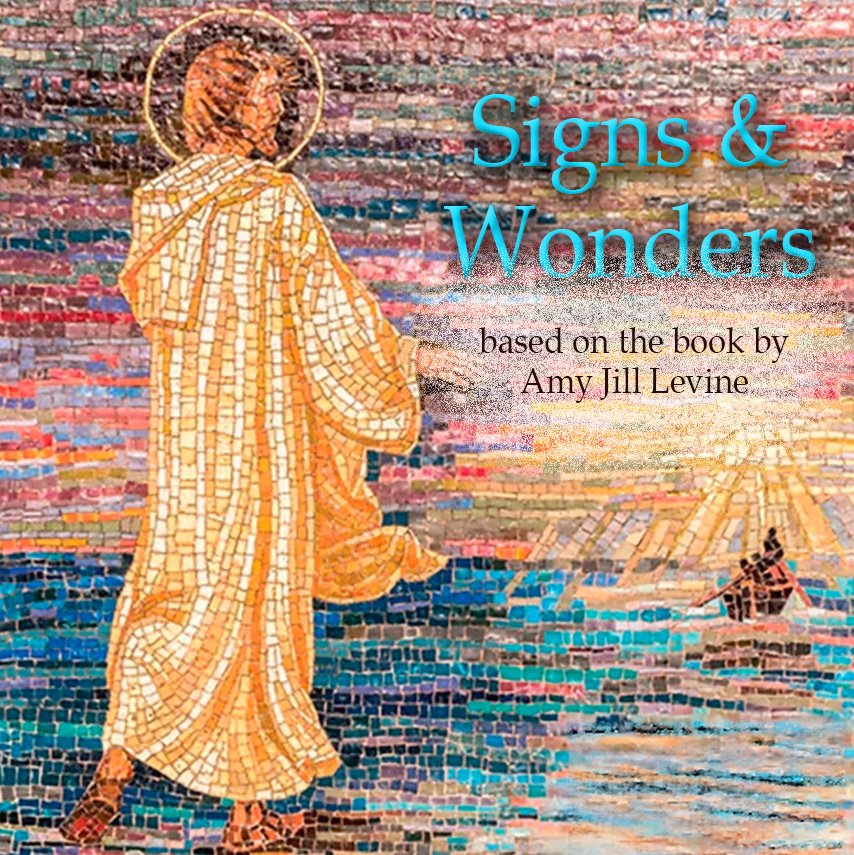
Signs & Wonders: Part 2
January 18, 2026
** This week is a little different. While I used the story of the Feeding of the 5,000 originally planned for this series, I focus more on the crowds and the way Jesus responded to them with compassion as he and his disciples traveled from town to town. Alongside this story, I also offer my personal reflections on my experience with the Buddhist monks this weekend on their walk for peace. I invite you to set aside any preconceptions about Buddhism and Christianity and simply hear these stories side by side. Then honestly ask yourself, are you willing to walk in this mutual way of peace?
I have still included below the brief written reflections on the original sermon I had planned on this text, “The Centrality of Bread”. You can read the full manuscript of what I actually preached on the Way of Peace over at my Substack Page by clicking here or listen at the link below.
When the day was almost over, the Twelve came to him and said, “Send the crowd away so that they can go to the nearby villages and countryside and find lodging and food, because we are in a deserted place.”
He replied, “You give them something to eat.”
But they said, “We have no more than five loaves of bread and two fish—unless we go and buy food for all these people.” (They said this because about five thousand men were present.)
Jesus said to his disciples, “Seat them in groups of about fifty.” They did so, and everyone was seated. He took the five loaves and the two fish, looked up to heaven, blessed them, and broke them and gave them to the disciples to set before the crowd. Everyone ate until they were full, and the disciples filled twelve baskets with the leftovers.
~ Luke 9:12-17
_______________
Everyone was filled. And there were twelve baskets of leftover food to spare.
Yes, Jesus performed a miracle. But Jesus did not do it alone. God’s abundance flowed through the faithful hands of the disciples and through the people gathered together, passing not only bread and fish, but also grace and love from one to another. As theologian Tripp Fuller says, “God refuses to be God without us.” Miracles happen when we willingly participate in what the Spirit is already doing.
Imagine walking for miles, hungry and tired, not knowing when or if your next meal will come. In the distance, you see storehouses overflowing with grain. You can almost smell the bread, but you know it is not for you. It is reserved for the powerful and the wealthy.
This was a common reality in the first century. Jesus’ prayer for daily bread was not only spiritual. People were hungry.
By the end of the day, the disciples were hungry too. They barely had enough to feed themselves, let alone a crowd of thousands. Sending the people away made sense. But instead, Jesus said, “You give them something to eat.”
What bread do we have to give?
For a long time, I kept my writing to myself, thinking it didn’t matter. When I finally shared it, even in small ways, I began to hear from people who felt seen and encouraged by the words I offered. And I was blessed in return by the stories and experiences they shared with me. It taught me that what we resist offering often has more meaning than we imagine.
Miracles don’t happen because we have “enough” to do something big. They happen because God can do big things with the small gifts we place in God’s hands.
What miracle might God be inviting you to share in this week, and who is God inviting you to share it with?